
Wellness Shots: Hype or Help?
You’re standing in the refrigerated aisle at a Loblaws in Toronto, or maybe a Sobeys in Halifax, squinting at a row of tiny glass bottles. Each one promises energy, immunity, glowing skin, or a flatter stomach. They cost anywhere from $3 to $12 a pop, and you can’t help but wonder: is this actually wellness, or just really expensive juice? We’ve been there. Our team has bought the shots, choked down the apple cider vinegar, and debated whether the turmeric stained our teeth. So here’s our honest breakdown of wellness shots — what they are, what the science says, and whether they deserve a spot in your fridge.
What Are Wellness Shots, Anyway?
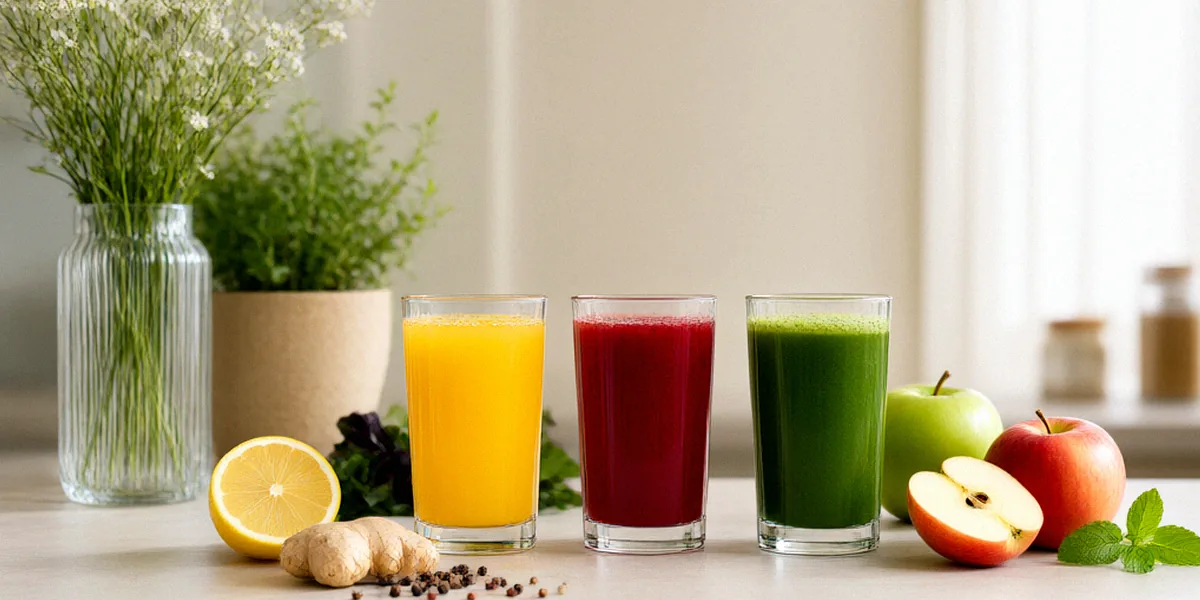
Wellness shots are concentrated liquid supplements, usually sold in small 30–60 mL bottles. Most are fruit- or vegetable-based, and they’re designed to deliver a high dose of specific ingredients in one quick gulp. Popular international brands include Suja and Pressed Juicery, but Canadian shelves are increasingly stocked with homegrown options like Greenhouse Juice Co., a cold-pressed juice brand based in Toronto, and Rawcology, a Canadian company known for its wellness shots and plant-based products.
Unlike a smoothie you sip over ten minutes, a wellness shot is meant to be taken fast — often because the taste is intense. Ginger, lemon, and cayenne will wake you up faster than your morning coffee.
Common Ingredients: Ginger, Turmeric, Apple Cider Vinegar, and More
Most wellness shots lean on a handful of star ingredients. Here’s what you’ll typically find:
- Ginger: Often the base of immunity and digestion shots, thanks to its strong anti-nausea reputation.
- Turmeric: Paired with black pepper for absorption, marketed for its anti-inflammatory curcumin content.
- Apple cider vinegar (ACV): Touted for blood sugar control and weight management.
- Lemon and citrus: Added for vitamin C and flavour balance.
- Sea buckthorn, elderberry, and wheatgrass: Common in Canadian-made shots, especially in winter blends.
How They Differ from Regular Juices and Smoothies
Regular juices and smoothies are about volume and hydration. Wellness shots are about concentration. A typical cold-pressed juice might be 350–500 mL; a shot is 30–60 mL. That means you’re getting a much higher ratio of active ingredients per sip — but also a much smaller serving of overall nutrients. Smoothies also contain fibre from whole fruit, while most shots are strained, so that fibre is largely removed.
The Science Behind the Shot: Do They Actually Work?
This is where things get interesting. Some ingredients have real evidence behind them. Others are riding on marketing momentum. We looked at what the research actually says and what Canadian dietitians are telling their clients.
Ginger and Turmeric: Proven Benefits and Limitations
A 2015 study found that ginger can reduce nausea, particularly in pregnancy and post-surgery settings. That’s one of the more solid findings in the wellness shot world. Turmeric has been studied for inflammation, but the evidence is mixed — curcumin is poorly absorbed on its own, and most clinical trials use concentrated extracts, not the amount you’d get in a 60 mL shot. So while turmeric isn’t useless, a shot isn’t a substitute for medical treatment.
Apple Cider Vinegar: Separating Fact from Fiction
ACV has some small studies suggesting it may help moderate blood sugar spikes after meals. But the effect is modest, and the “fat-burning” claims are largely unsupported. Drinking undiluted ACV can also erode tooth enamel and irritate your esophagus. If you’re going to take it, dilute it — and don’t expect it to replace a balanced meal.
What Canadian Nutrition Experts Say
Registered dietitians across Canada tend to land in the same place: wellness shots can be a convenient way to add certain compounds to your diet, but they’re not magic. Many point out that Canada’s Food Guide recommends whole foods over supplements for most nutrient needs. A shot of ginger isn’t the same as eating a stir-fry loaded with vegetables, lean protein, and whole grains.
The Canadian Wellness Shot Market: What’s on Shelves?
The Canadian wellness shot market has exploded in the last few years. You no longer need to visit a specialty juice bar — most major grocery chains carry them. Loblaws and Sobeys are major Canadian grocery chains that stock wellness shots, and Whole Foods Canada locations often carry a wider selection of premium and organic brands.
Top Canadian Brands We’ve Tried
We’ve tested a lot of shots. Here are the Canadian brands that stood out:
- Greenhouse Juice Co.: Based in Toronto, this cold-pressed brand makes a range of shots including ginger, turmeric, and a “Glow” blend. Clean taste, strong ginger kick.
- Rawcology: Known for its wellness shots and plant-based products, Rawcology leans into functional ingredients like elderberry and sea buckthorn.
- Pulp & Press: A Vancouver-based option with bright, fruit-forward shots that are easier to drink than some of the harsher ACV blends.
Where to Buy Them Across Canada
Availability varies by province, but you can generally find wellness shots at:
- Loblaws, Real Canadian Superstore, and No Frills
- Sobeys, Safeway, and FreshCo
- Whole Foods Canada
- Local health food stores and juice bars
- Online via brand websites and retailers like Well.ca
Price Comparison: Are They Worth the Cost?
Prices range widely. A single shot from a grocery store might cost $3–$5. Specialty brands can run $6–$12 per bottle. A pack of five or ten shots often brings the per-shot cost down to $2–$4. Compare that to a DIY shot made at home, which can cost under $1 per serving. If you’re taking one daily, that adds up fast — we’re talking $1,000+ per year for premium brands.
Hype vs. Help: Our Honest Take
We’ve been drinking these things for months. Some of us swear by them. Others think they’re mostly placebo. Here’s what we actually noticed.
What We Loved (and Didn’t Love)
What we loved: convenience, the ritual of starting the day with something intentional, and the genuine nausea relief from ginger shots during cold and flu season. What we didn’t love: the price, the taste of straight ACV, and the vague feeling that we were paying for a marketing story as much as a health benefit.
The Placebo Effect: Are We Fooling Ourselves?
Honestly? Probably a little. When you spend $8 on a tiny bottle and drink it with intention, you feel like you’re doing something good for yourself. That feeling is real — it’s just not necessarily the ingredients doing the work. Placebo isn’t nothing, but it’s not a substitute for sleep, vegetables, and movement.
Wellness Shots vs. Whole Foods: A Canadian Perspective
Canadian winters are long. Fresh, local produce is harder to come by, and our vitamin D levels drop. In that context, a wellness shot can feel like a small insurance policy. But it’s not a replacement for a balanced diet. A bowl of lentil soup with kale and carrots will do more for your immune system than a 60 mL shot — it just doesn’t come in a cute bottle.
Should You Add Wellness Shots to Your Routine?
If you enjoy them, can afford them, and use them as a supplement rather than a substitute, sure. But there are smarter ways to get the same benefits.
DIY Wellness Shots: Easy Recipes to Try at Home
Here are a few of our go-to recipes:
- Ginger-Lemon Immunity Shot: Blend 2 inches of fresh ginger, juice of 1 lemon, a pinch of cayenne, and 1/4 cup water. Strain and store in a jar for up to 5 days.
- Turmeric-Glow Shot: Blend 1 tsp turmeric powder, pinch of black pepper, juice of 1 orange, and 1 tsp honey.
- ACV Morning Shot: Mix 1 tbsp apple cider vinegar with 1 tbsp lemon juice and 1/2 cup water. Drink with a straw to protect your enamel.
When to Skip the Shot and Eat the Real Thing
If you’re looking for fibre, protein, or a full spectrum of vitamins, eat the whole food. A handful of berries, a piece of salmon, or a bowl of steamed broccoli will outperform any shot. Save the shots for when you want a concentrated hit of a specific ingredient — like ginger for nausea.
Budget-Friendly Alternatives for Canadians
Skip the $8 bottle and buy fresh ginger, turmeric root, lemons, and ACV in bulk. A $10 bag of ginger can make 15–20 shots at home. If you don’t want to DIY, look for store-brand shots at Loblaws or Sobeys, which are often half the price of premium brands.
FAQ
Are wellness shots actually good for you?
They can be, depending on the ingredients. Ginger has solid evidence for nausea relief. Turmeric and ACV have some benefits but are often overstated. Think of them as a supplement, not a cure.
Can I drink wellness shots every day?
Most are safe daily, but watch your ACV intake — it can harm tooth enamel and irritate your stomach. Rotate flavours and don’t exceed one or two shots per day.
Do wellness shots replace fruits and vegetables?
No. Canada’s Food Guide recommends whole foods over supplements for most nutrient needs. Shots lack fibre and the full range of nutrients found in whole produce.
Are Canadian wellness shots worth the price?
If you value convenience, yes — occasionally. If you’re taking one daily, DIY or store-brand options will save you hundreds of dollars a year.
Where can I buy wellness shots in Canada?
Loblaws, Sobeys, Whole Foods Canada, health food stores, and online retailers like Well.ca. Canadian brands like Greenhouse Juice Co. and Rawcology are widely available.
Wellness shots aren’t a magic cure, but they’re not a total scam either. They can be a helpful supplement — especially during a Canadian winter — as long as you understand their limits. Make informed choices based on your health needs, your budget, and what actually makes you feel good. And if you’re just here for the ginger nausea relief, we get it. So are we.