
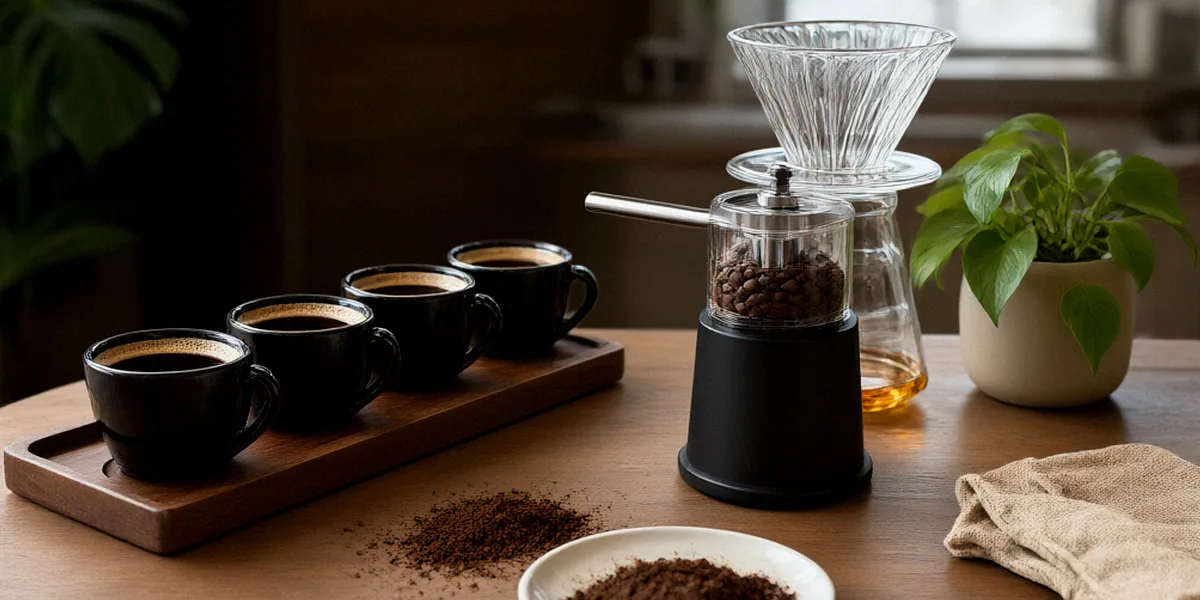
How to Host a Coffee Tasting: A Lifestyle Blog Guide
There’s a particular magic to a lazy Sunday morning when the aroma of freshly brewed coffee curls through the kitchen and pulls everyone out of bed. For our team, that ritual became the spark for something bigger: what if we turned our everyday cup into a full-blown tasting party? What started as a casual “let’s compare these two bags” morning quickly evolved into a recurring gathering with friends, tasting notebooks, and a whole lot of slurping. If you’ve ever wondered how to host a coffee tasting that feels warm and approachable rather than fussy and intimidating, this guide is for you.
Why Host a Coffee Tasting?

Coffee tastings hit that sweet spot between social and sensory. They give people something to talk about beyond the usual small talk, and they invite everyone to slow down and actually pay attention to what they’re drinking. On our lifestyle blog, we’re always chasing rituals that make everyday life feel a little more intentional, and a tasting is one of those rare activities that’s both educational and genuinely fun.
The Social Perks of Sipping Together
When you host a tasting, you’re not just serving coffee — you’re giving people a shared experience to unpack. Guests compare notes, argue good-naturedly about which roast wins, and inevitably discover that their friend with the “refined palate” actually prefers the cheapest supermarket blend. It’s an icebreaker, a dinner-party alternative, and a reason to gather that doesn’t require a full meal or a fancy occasion. Best of all, it works for groups of four or twelve. Everyone leaves knowing more about their own taste than when they arrived.
Coffee as a Wellness Ritual
Coffee often gets framed as a vice, but there’s a growing case for treating it as a mindful ritual instead. Slowing down to smell, taste, and think about your cup is a small act of presence — the kind of thing that fits neatly into a wellness routine alongside journaling or a slow morning stretch. Mindful consumption isn’t about cutting things out; it’s about paying attention. A tasting gives you permission to enjoy coffee as an experience rather than a caffeine delivery mechanism, and that shift alone can make your mornings feel calmer.
Planning Your Tasting: Beans, Brews, and Bites
Great tastings start with contrast. You want beans that taste noticeably different from one another so guests can actually tell them apart — think a bright Ethiopian next to a nutty Colombian, or a light roast beside a rich dark one. Aim for three to five options; more than that and palates get tired and notes blur together.
Choosing Canadian Roasters
Canada punches well above its weight in specialty coffee, so you have excellent options no matter where you are. A few of our go-to roasters:
- Pilot Coffee Roasters (Toronto) — a pioneer of Canada’s third-wave scene, with clean, balanced roasts and single-origin offerings perfect for a flight.
- 49th Parallel Coffee Roasters (Vancouver) — known for their vibrant espresso and beloved doughnuts; their single origins shine in a tasting lineup.
- Phil & Sebastian Coffee Roasters (Calgary) — meticulous sourcing and roasting; their filter-friendly beans are ideal for a pour-over flight.
Picking beans from different regions — say, one from East Africa, one from Central America, and one from Indonesia — gives your guests the widest range of flavors to explore.
Essential Brewing Gear
You don’t need a wall of equipment. A pour-over setup (V60 or Chemex) and a French press will cover almost any tasting, and both are forgiving enough for a first-timer to operate. Add a burr grinder if you have one, a kitchen scale for consistent ratios, and a gooseneck kettle for control. If you’re short on gear, a simple drip machine will do in a pinch — the goal is comparison, not perfection. Brew small batches of each bean using the same method so the differences you taste come from the coffee, not the technique.
Food Pairings That Complement
Keep bites simple and neutral so they don’t compete with the coffee. Plain sparkling water and unsalted crackers between cups reset your palate. For a slightly more festive spread, try dark chocolate (70% or higher), shortbread, a mild cheese like brie, or dried fruit. Avoid anything heavily spiced or overly sweet — bold flavors will flatten your ability to taste the beans.
Setting the Scene: Atmosphere and Supplies
The room does a lot of quiet work at a tasting. A cozy, uncluttered setup helps guests relax and focus, and — let’s be honest — makes for great photos if you’re sharing the event online.
Decor and Lighting
We lean toward neutral tones: linen runners, ceramic cups in cream or stone, wooden boards for snacks. Warm, dimmable lighting beats harsh overheads, and a candle or two adds an easy glow. If you want to source a few nice linens or a tray, Simons carries affordable home textiles that fit the aesthetic, and Indigo is a reliable stop for journals, candles, and small hosting details.
Tasting Kits and Tools
Give each guest a small setup of their own. A tasting kit doesn’t need to be expensive — a few small cups, a spoon, a glass of water, and a notebook is plenty. Indigo’s journal selection is great for this; pick up a stack of simple notebooks and some pens so people can jot tasting notes. A printed tasting sheet (with space for aroma, acidity, body, and flavor) keeps everyone oriented and makes the experience feel a little more special.
The Tasting Process: From Slurp to Score
If the word “cupping” makes you nervous, don’t worry — the professional process is approachable once you break it down. The goal is to give guests a structured way to pay attention, not to turn them into certified judges.
Guided Tasting Steps
- Smell first. Before sipping, cup your hands over the cup and inhale. Aromas often hint at what you’ll taste.
- Slurp. Take a small, noisy sip — slurping spreads the coffee across your palate and lets air carry the aromatics upward.
- Evaluate acidity. Is it bright and citrusy, or soft and mellow? Neither is “better”; just notice.
- Assess body. Is the mouthfeel thin like tea or rich like cream?
- Name the flavor notes. Fruit, chocolate, nuts, floral, spice — whatever comes to mind. There are no wrong answers.
- Score and compare. Rate each cup and revisit your favorites.
If you want a more formal framework, the Coffee Quality Institute maintains a standardized scoring system used by professional graders, covering attributes like fragrance, flavor, acidity, body, and balance. Borrow the vocabulary if it helps, but there’s no need to be strict about it.
Keeping It Fun and Unpretentious
The biggest mistake hosts make is treating the tasting like a test. Resist the urge to correct guests or insist on “correct” tasting notes. Some of the best discoveries happen when someone says a coffee tastes like strawberry jam and everyone else suddenly notices it too. Play music, keep water flowing, laugh at the misses, and let the conversation wander. Curiosity is the whole point.
Elevate with Subscription Boxes and Takeaways
Once the tasting bug bites, a subscription box is the easiest way to keep the exploration going — and they make thoughtful thank-you gifts for guests.
Top Canadian Coffee Subscriptions
The Roasters Pack is a Canadian subscription that sends a rotating selection of beans from different roasters each month, which is perfect for hosting recurring tastings without hunting down new bags yourself. Matchstick Coffee’s subscription (based in Vancouver) is another excellent choice if you want consistent, well-roasted options delivered to your door. The best part? A subscription turns a one-off event into a monthly ritual.
Party Favors and Follow-Up
Send guests home with a small bag of the winning bean, a recipe card for the pour-over method you used, or a little jar of coffee beans to smell again the next morning. A follow-up text with everyone’s tasting notes — or a shared digital doc — keeps the conversation going long after the last cup is drained.
Our Takeaway
Hosting a coffee tasting is really about connection and curiosity, not perfection. You don’t need professional gear, expert vocabulary, or a flawless table setting to pull it off — you just need a few good beans, a few good friends, and the willingness to slow down and taste. Whether you’re comparing roasts from Pilot, 49th Parallel, and Phil & Sebastian or simply trying two bags from your local café, the point is the shared experience. We’d love to hear how your tasting goes — share your notes, your favorite beans, and your hosting tips in the comments on the blog.
FAQ
How many types of coffee should I serve at a tasting?
We recommend three to five. Fewer than three and there’s not much to compare; more than five and palates get fatigued and the differences blur. Aim for variety in roast level and origin.
Do I need professional equipment to host a coffee tasting?
Not at all. A pour-over setup and a French press will cover nearly everything, and even a standard drip machine works fine as long as you use the same method for every bean. Consistency matters more than equipment.
What’s the best way to cleanse the palate between cups?
Plain sparkling water and neutral foods like unsalted crackers or plain bread work best. Avoid strong flavors like citrus, mint, or heavy spices, which can overpower the coffee you’re tasting.
Are coffee subscription boxes worth it for tastings?
Absolutely. Canadian options like Roasters Pack deliver a rotating selection of beans from different roasters, which is ideal for hosting regular tastings without sourcing new bags yourself. They also make wonderful gifts.
How do I keep the tasting from feeling too serious?
Skip the scoring forms if they feel intimidating, encourage casual flavor guesses, and remind everyone there are no wrong answers. The best tastings feel like a relaxed hangout with coffee as the centerpiece.